
For advisors designing journeys with substance, Panama rewards closer attention. Its most meaningful experiences often happen with local hosts, in Indigenous territories, on family farms, along historic trade routes, and deep in the highland forest.
These five experiences help reveal Panama’s depth. Each one gives Your Guests a clearer sense of the country’s people, history, ecology, and cultural identity.

Cacao in Bocas del Toro
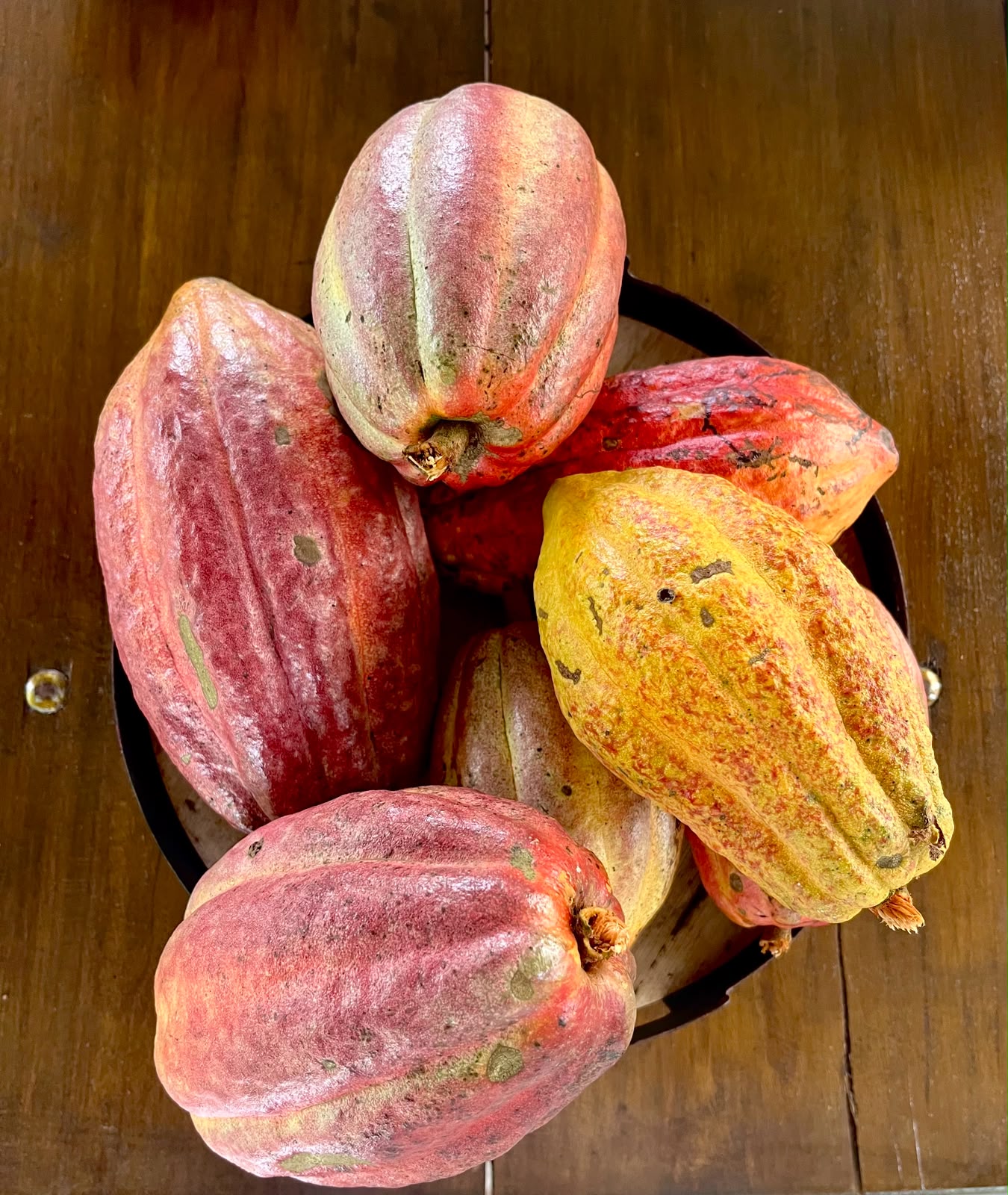
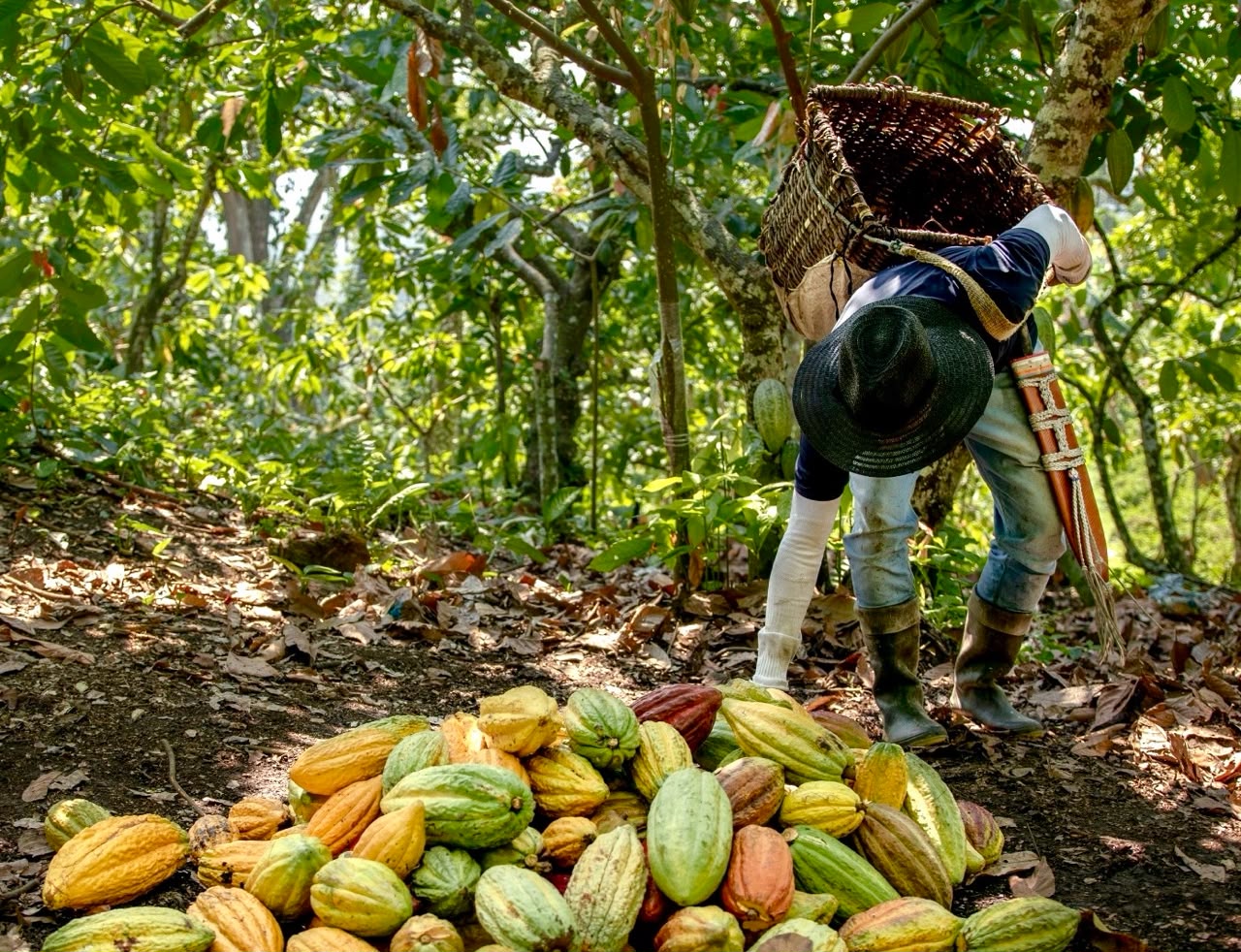
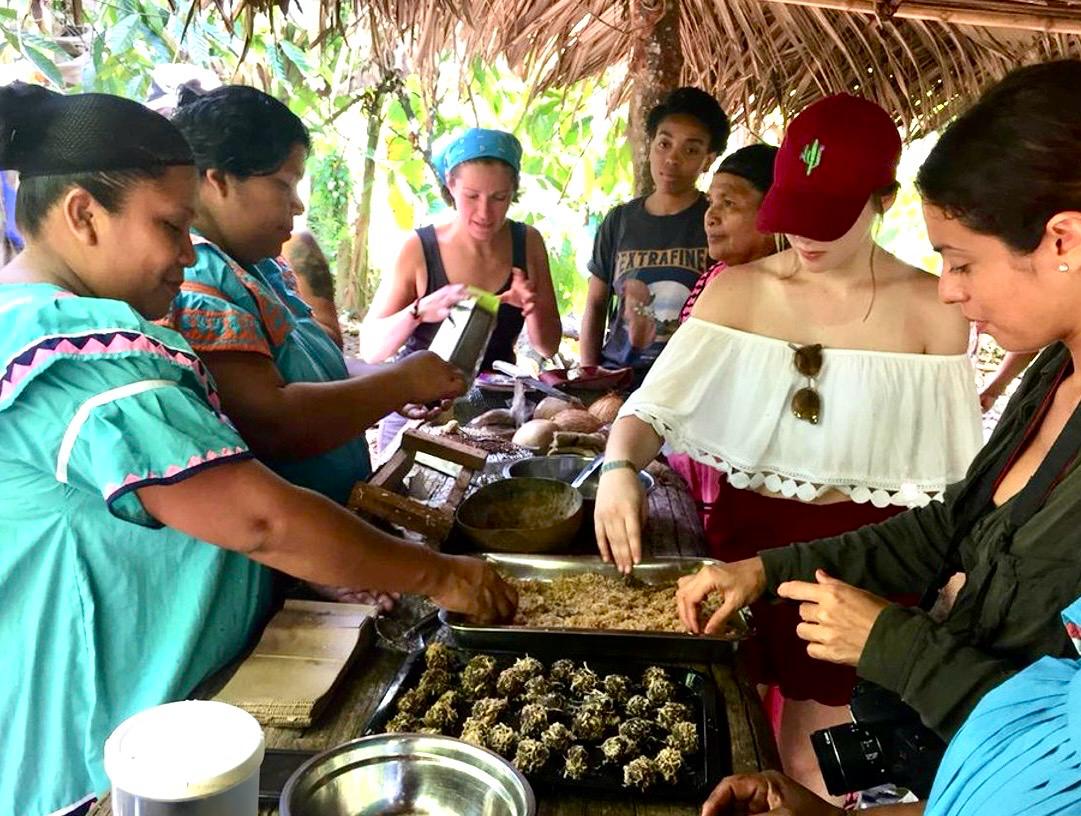
On Panama’s Caribbean side, cacao farming is part of daily life for many families. In Bocas del Toro, Your Guests can walk through a working farm with the people who tend it, learning how cacao grows, how pods are harvested, and how chocolate changes from fruit to finished product.
The experience is unhurried and personal. Your Guests taste cacao close to its source and hear directly from the families who have built their livelihood around the crop.
For advisors, this is a strong fit for guests who want food, agriculture, and a human connection in the same experience. It adds texture to a Bocas itinerary and gives the region more depth than beach time alone.
The Millennium Trees in Boquete
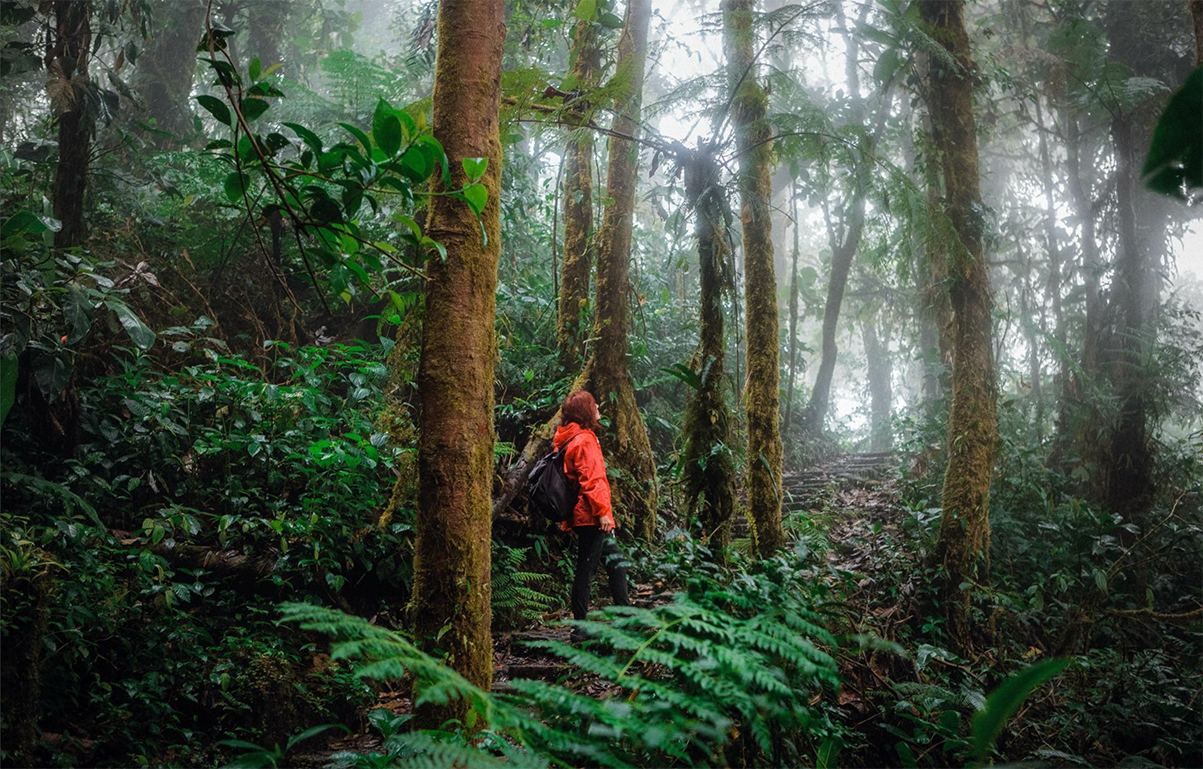
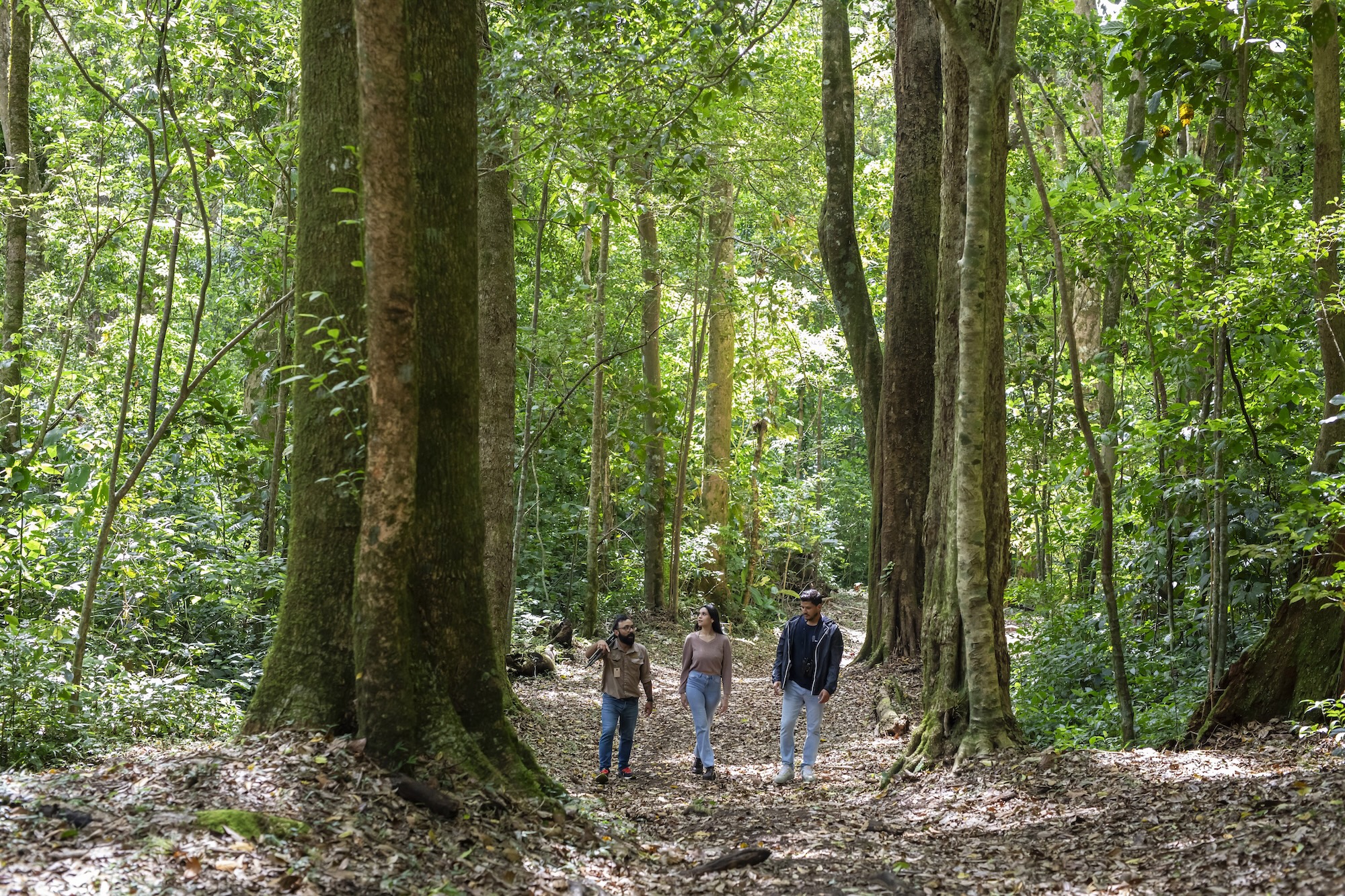
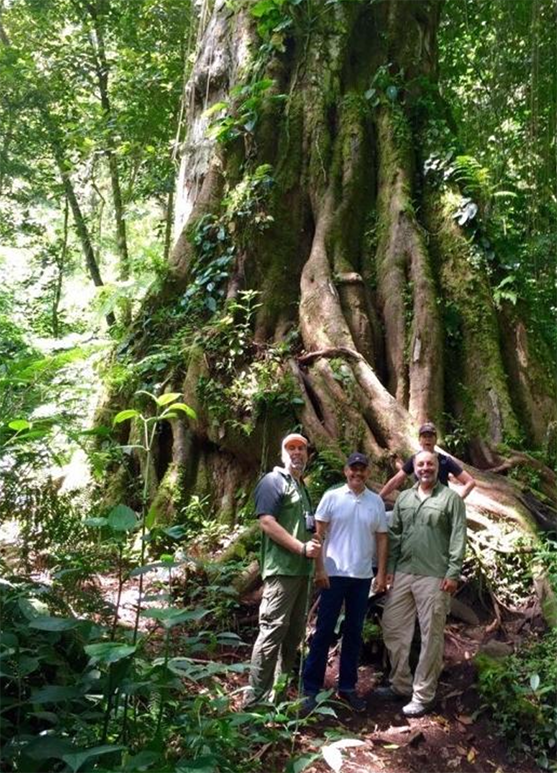
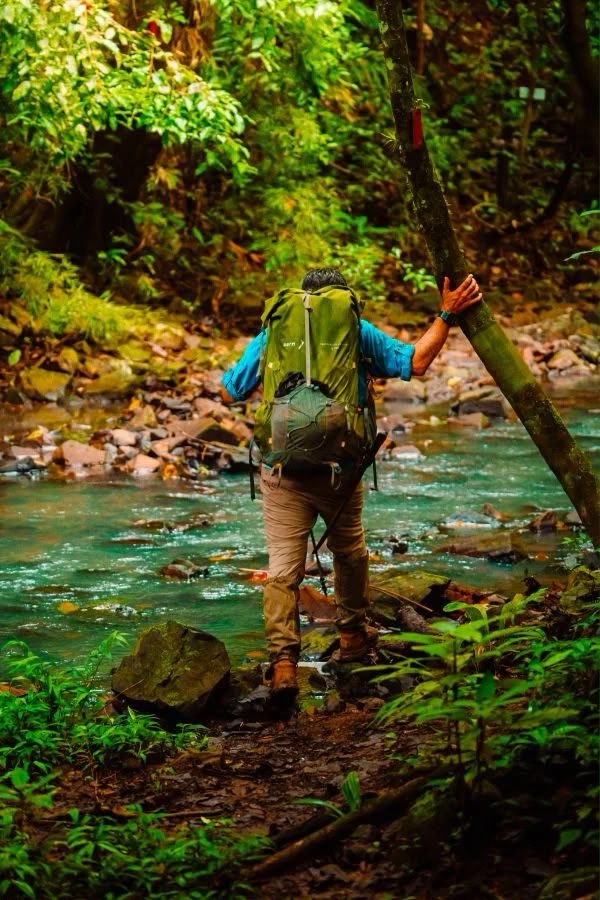
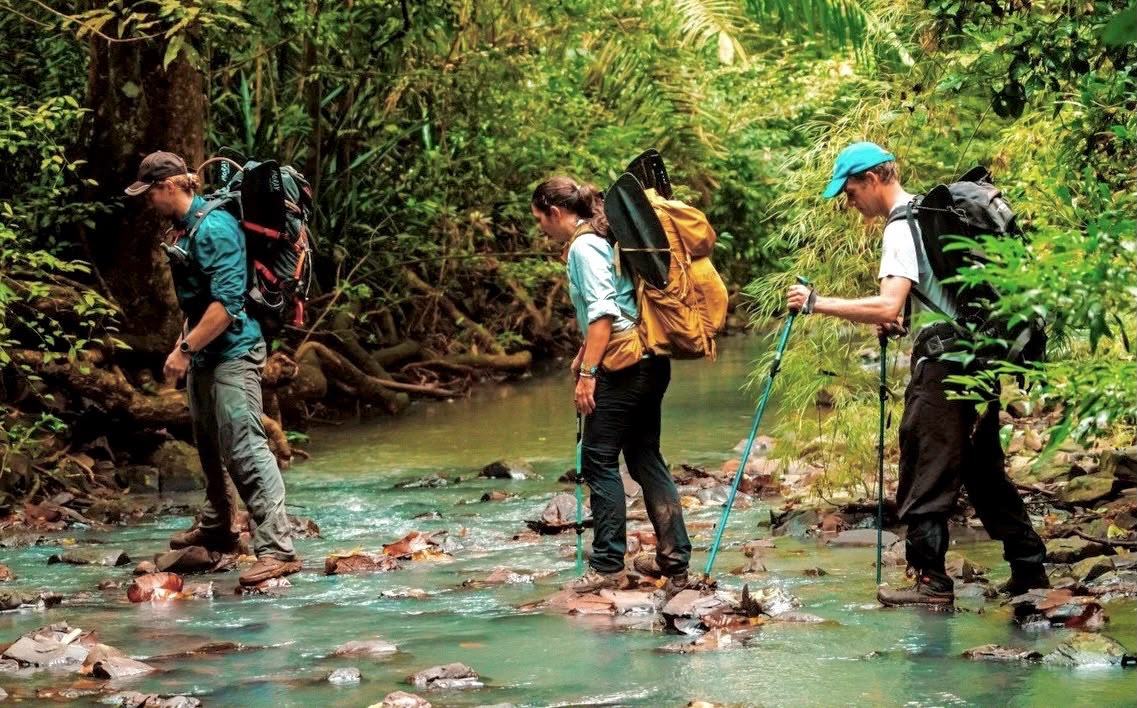
In the cloud forests above Boquete, ancient hardwoods rise from the highland wilderness near the Chiriquí Viejo river valley. Reaching the Millennium Trees takes effort. Your guests walk through mist-covered forest, with the canopy overhead and the mountain air shifting as they climb.
Standing near these trees changes the pace of the day. Guests begin to understand time differently in a forest that has been growing long before them.
This experience is best for those who are comfortable on their feet and open to a more active nature experience. It pairs well with Boquete’s cooler climate, coffee culture, and highland landscapes.
Guna Yala
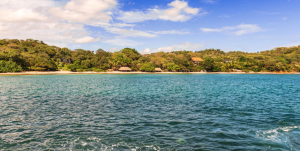
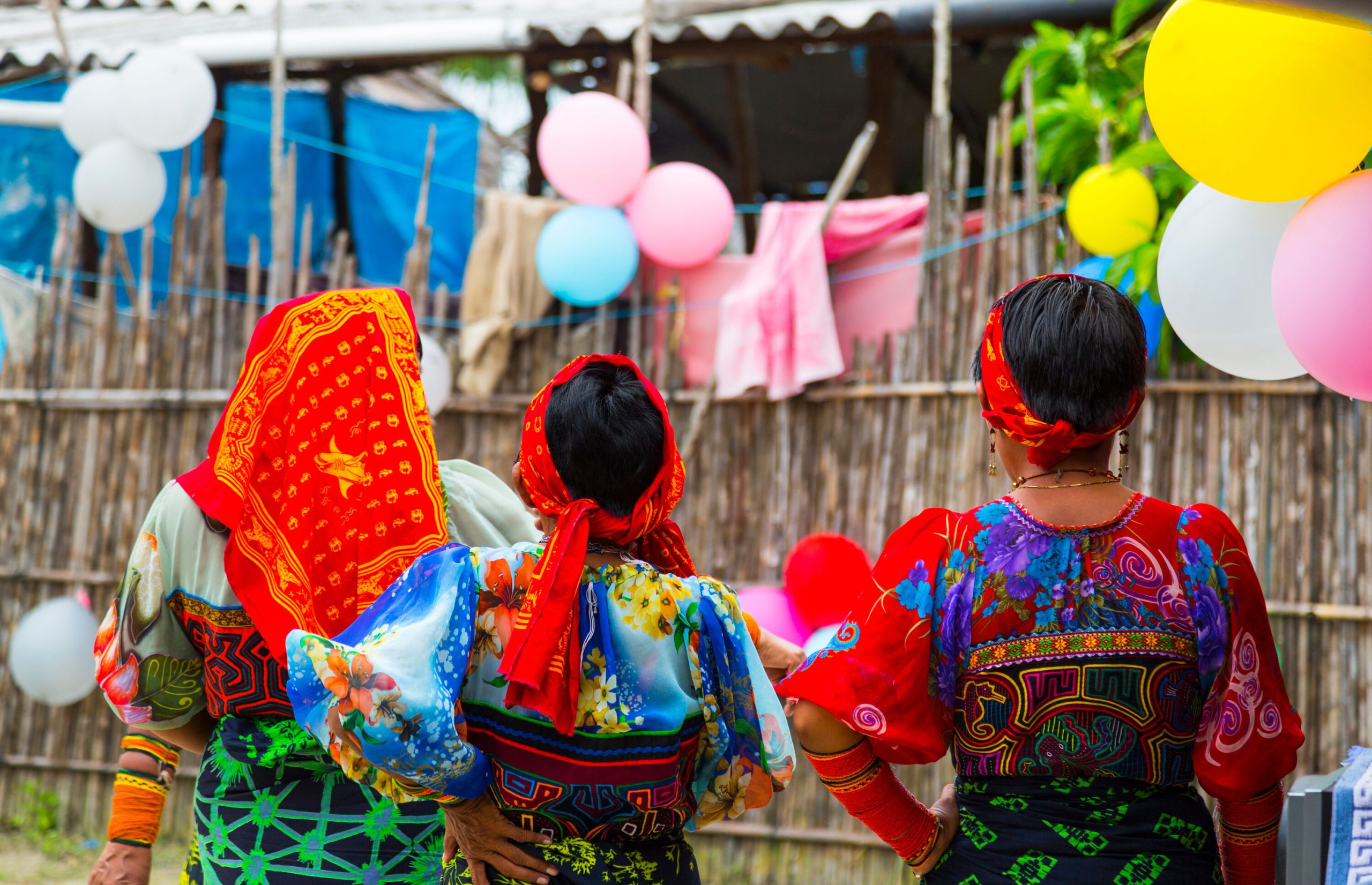
Guna Yala, also known as San Blas, is one of Panama’s most distinctive regions. The archipelago includes hundreds of islands off the Caribbean coast and is governed autonomously by the Guna people.
The setting is visually striking: clear water, reef-fringed islands, and quiet beaches. But the strength of the experience comes from the Guna community itself.
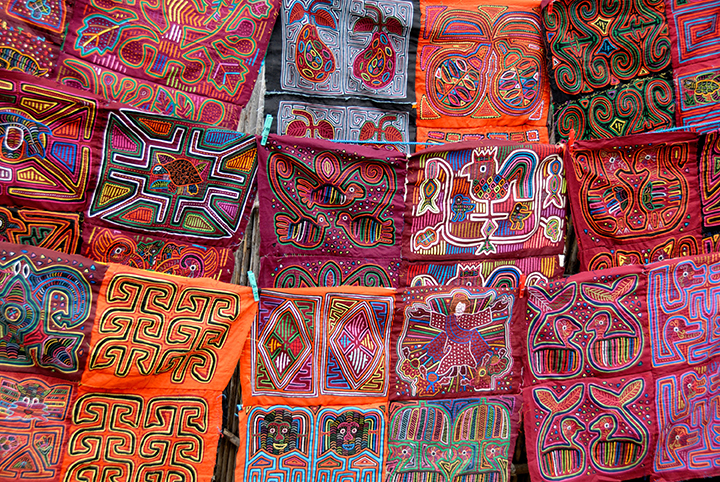
Your Guests may learn about mola textiles made by Guna women, visit a village, share a meal, or hear about the traditions that shape daily life in the territory. The best visits are built on respect, careful planning, and local permission.
Logistics matter here. Access may involve a small plane or a demanding overland journey, and the quality of the experience depends on how it is arranged. Panama Trails’ local relationships help ensure the visit feels thoughtful, respectful, and well-paced.
Congo Culture in Colón
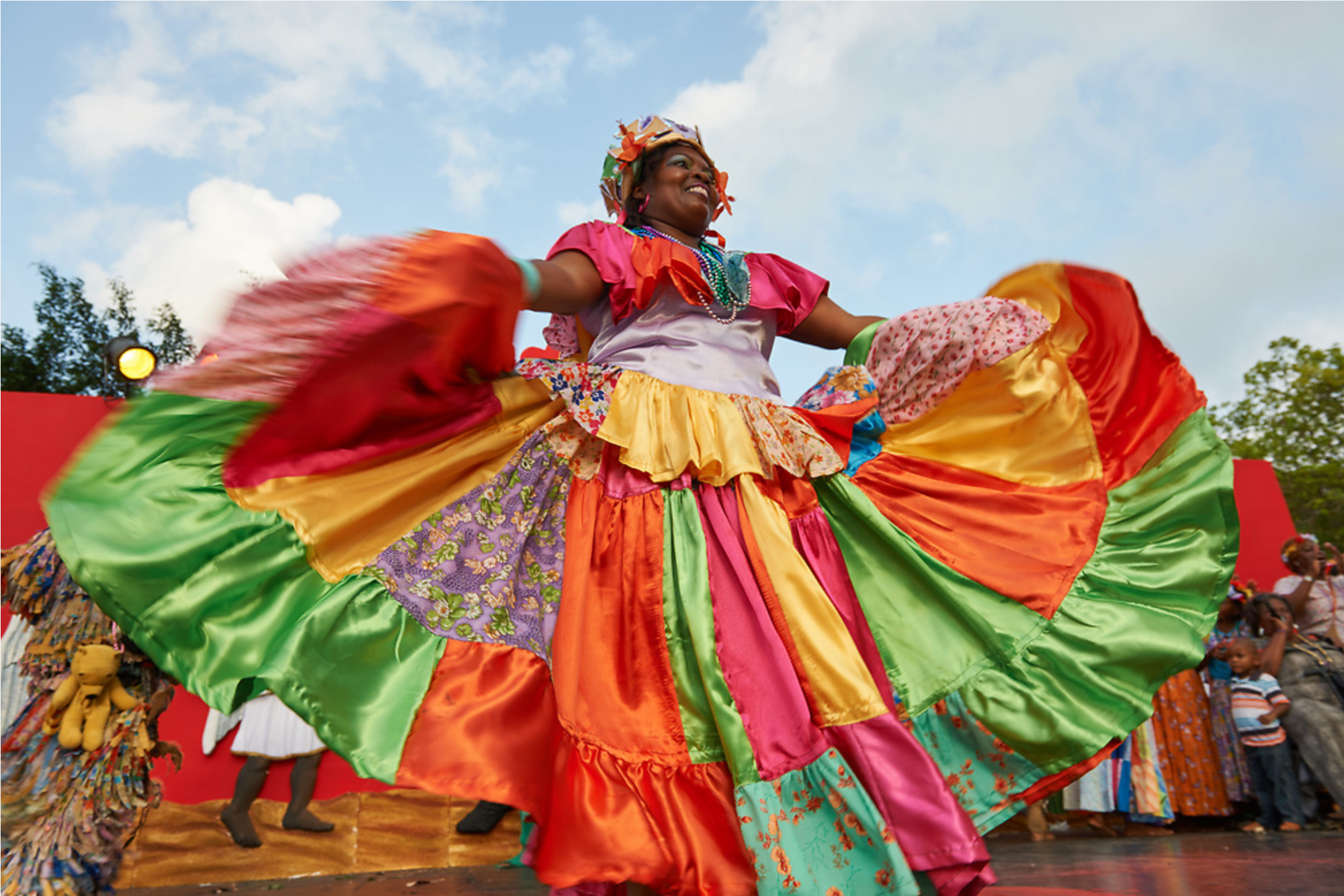
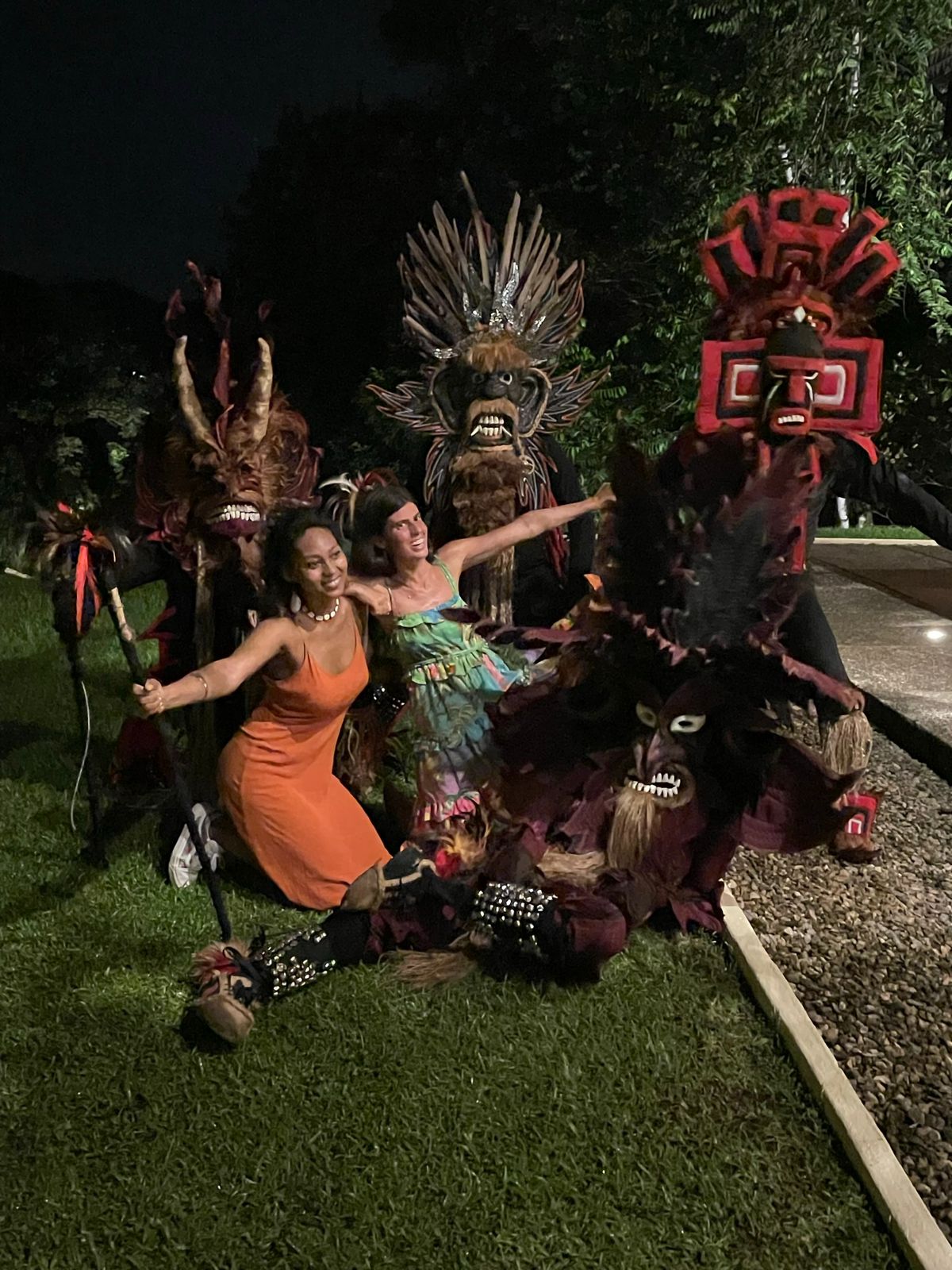
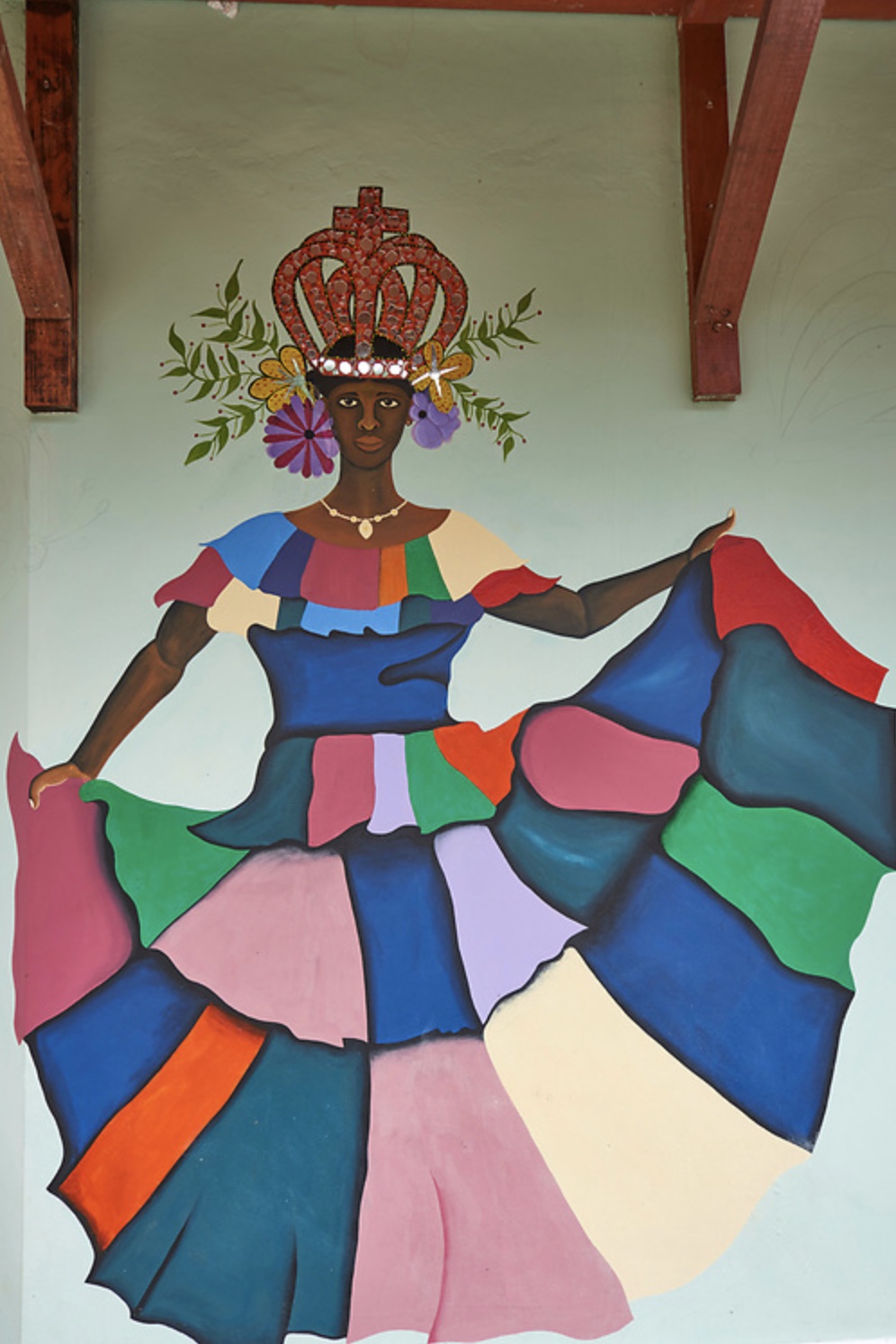
On Panama’s Caribbean coast, Congo culture carries the memory, resistance, and creativity of Afro-Caribbean communities. Recognized by UNESCO as Intangible Cultural Heritage, the tradition includes music, dance, dress, oral storytelling, and food.
This is a living cultural practice, shared by people who grew up with it.
For your guests, the experience is vibrant and direct. They may hear drums, learn about the symbolism behind the clothing, taste regional cooking, and understand how Congo traditions preserve stories of resilience and identity.
This is a strong recommendation for guests who love music, food, community, and cultural context. It also shows a side of Panama that many travelers do not expect.
Camino De Cruces
Along the Camino de Cruces, Your Guests walk through a rare intersection of rainforest and colonial history.
This centuries-old stone pathway once connected Panama’s Pacific and Caribbean coasts, carrying gold, silver, spices, and goods across the isthmus long before the Panama Canal.
Today, protected within Camino de Cruces National Park and tied to Panama’s UNESCO-listed colonial trade routes, the trail offers a guided experience through preserved cobblestone sections, tropical forest, and stories of merchants, mule trains, Indigenous peoples, and Panama’s strategic role in global commerce.
Building a Panama Itinerary With More Depth
These five experiences do not belong in every itinerary. They serve different guest profiles, require different logistics, and sit in different parts of the country.
What they share is a quality worth identifying early: curiosity.
Some guests want to understand how cacao supports a family. Some want to stand beneath ancient trees. Some are ready for the cultural depth of Guna Yala or the energy of Congo traditions. Some will be moved by the Canal once they understand what it represents.
Panama Trails helps advisors match the right experience to the right guest, with the access, timing, and local relationships that make each visit feel considered.
Contact Panama Trails to begin designing a in-depth Panama itinerary.